
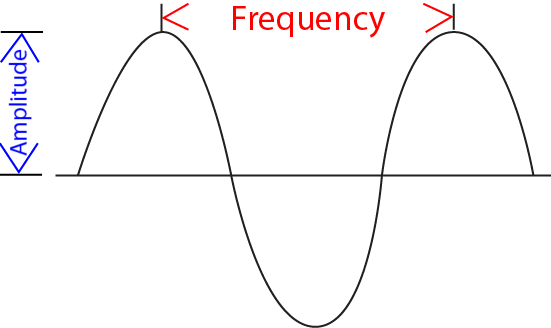
On a synthesizer, the amplitude is the term used to describe the overall level or volume of the sound being produced. It can be adjusted using a fader or knob and is typically expressed in decibels (dB).
Depending on the synth, the amplitude can be controlled at the oscillator level, the envelope generator level, the mixer level, or the output level during various stages of sound production.
A patch can have different loudness levels for each oscillator by using amplitude to control the volume of each oscillator at the oscillator level. Amplitude is managed at the envelope generator level by the envelope generator, which modifies the sound’s amplitude over time. The attack, decay, sustain, and release stages of the envelope generator are all where the amplitude is controlled.
After all the oscillators have been blended, amplitude controls the overall volume of the sound at the mixer level. This is useful for balancing the levels of various components in a patch. Amplitude on the output level regulates the sound’s final volume before it is sent to the synth’s output, which is useful for adjusting the sound’s overall loudness.
See also
 Synthesizer Online