Categories
Classic Synthesizers Synthesizer Models

Ensoniq Mirage

The Ensoniq Mirage is a digital synthesizer and sampler introduced in 1984 by the Pennsylvania-based company Ensoniq. The Mirage was one of the first affordable digital synthesizers on the market and quickly gained popularity among professional and amateur musicians.

The Mirage featured a unique sound generation system called “DSS” (Digital Sampling Synthesis) which combined the capabilities of both sampling and synthesis. It allowed the user to record and manipulate samples in real-time and then use them as the basis for creating new sounds. The Mirage also featured a built-in 8-track sequencer and a variety of preset and user-editable sounds, making it a versatile and powerful instrument.

One of the most notable features of the Mirage was its low cost. At the time of its release, it was significantly less expensive than other digital synthesizers on the market, such as the Fairlight CMI and the Synclavier. This made it accessible to a broader range of musicians and helped to establish Ensoniq as a major player in the synth market.

The Mirage’s design was also notable for its compact size, making it easy to transport and set up. The synth featured a built-in keyboard with velocity-sensitive keys and could also be played using an external MIDI controller.

The Mirage was also known for its ease of use. The interface was simple and intuitive, with a clear layout that made it easy to navigate and edit sounds. The built-in sequencer also made it simple for users to record and edit their own compositions.

Ensoniq released several updates and upgrades to the Mirage throughout its production run, including the Mirage DSK-1, Mirage DSK-8, and Mirage DSK-16. The DSK-1 and DSK-8 were expansion units that added extra memory and more advanced sequencing capabilities to the Mirage. The Mirage DSK-16 was a rack-mount version of the Mirage that did not include a built-in keyboard.

The Ensoniq Mirage was discontinued in the early 1990s, but it remains a cult classic among synth enthusiasts. Its unique sound generation system and ease of use made it a popular choice for electronic music producers, and it can be heard on many tracks from the 1980s and 1990s.

In conclusion, The Ensoniq Mirage was a revolutionary digital synthesizer that was affordable, easy to use, and powerful. Its combination of sampling and synthesis capabilities, built-in sequencer and its low cost made it a popular choice among musicians of the time. It remains a cult classic and its sound can be heard on many tracks from the 80s and 90s.

Used by

  • Depeche Mode: The band extensively used a Mirage on their album “Black Celebration” and their “Music for the Masses” tour.
  • New Order: The band used a Mirage on their ” Technique ” album and their “World In Motion” single.
  • Pet Shop Boys: The band used a Mirage on their album “Please” and also on their “Actually” album.
  • Jean-Michel Jarre: The French electronic musician used a Mirage on his album “Rendez-Vous”
  • Thomas Dolby: The English musician and producer used a Mirage on his album “The Golden Age of Wireless”
  • A-ha: The Norwegian band used a Mirage on their album “Scoundrel Days”
  • Vince Clarke: The musician and producer used a Mirage on his album “The Clarke Duke Project”
  • Neneh Cherry: The singer-songwriter used a Mirage on her album “Raw Like Sushi”
Categories
Synthesizer Manufacturers

Ensoniq

Ensoniq was an American electronic musical instrument manufacturer, founded in 1985 by former employees of the Commodore Corporation. The company was known for producing a wide range of electronic keyboards and synthesizers.

In 1985, Ensoniq released their first synthesizer, the ESQ-1, a digital synthesizer and sequencer known for its realistic instrument sounds and advanced sequencing capabilities. The same year they also released the Mirage, a sampler known for its high-quality sound and affordable price.

In 1986, Ensoniq released the VFX, a digital synthesizer and music workstation, known for its advanced synthesis capabilities and wide range of sounds. This was followed by the SQ-80, a digital synthesizer and music workstation, in 1988.

In the early 1990s, Ensoniq released a number of advanced digital samplers and music workstations such as the ASR-10 in 1992, known for its advanced sampling and sequencing capabilities and wide range of sounds, and the TS-10 in 1993, known for its realistic instrument sounds and advanced synthesis capabilities.

In 1996, Ensoniq released the TS-12, a digital synthesizer and music workstation, known for its advanced synthesis capabilities, wide range of sounds, and user-friendly interface.

In 1997, Ensoniq released the DP/4, a digital signal processor, known for its advanced effects processing capabilities and ease of use.

In 1998, Ensoniq was purchased by Creative Technology, a Singapore-based company, and the Ensoniq brand was eventually phased out. The technology, design and expertise of the Ensoniq team were integrated into the parent company and many of the features of Ensoniq products were incorporated into the new products of Creative Technology.

Throughout its history, Ensoniq was known for producing high-quality, innovative electronic musical instruments with advanced synthesis capabilities, realistic instrument sounds, and user-friendly interfaces. The company’s products were widely used by professional musicians and music producers in a wide range of genres, from electronic to rock, to pop and jazz.

Important Models:

  1. Ensoniq ESQ-1: A digital synthesizer and sequencer released in 1985, known for its realistic instrument sounds and advanced sequencing capabilities.
  2. Ensoniq Mirage: A sampler released in 1985, known for its high-quality sound and affordable price.
  3. Ensoniq VFX: A digital synthesizer and music workstation released in 1986, known for its advanced synthesis capabilities and wide range of sounds.
  4. Ensoniq SQ-80: A digital synthesizer and music workstation released in 1988, known for its advanced synthesis capabilities and wide range of sounds.
  5. Ensoniq ASR-10: A digital sampler and music workstation released in 1992, known for its advanced sampling and sequencing capabilities, and wide range of sounds.
  6. Ensoniq TS-10: A digital synthesizer and music workstation released in 1993, known for its realistic instrument sounds and advanced synthesis capabilities.
  7. Ensoniq TS-12: A digital synthesizer and music workstation released in 1996, known for its advanced synthesis capabilities, wide range of sounds, and user-friendly interface.
Categories
Synthesizer Manufacturers

Korg

Korg is a Japanese company that was founded in 1962 by Tsutomu Katoh and Tadashi Osanai. The company began as a manufacturer of electronic tuners for guitars and other instruments, but quickly expanded into other areas of the music industry.

In the 1970s, Korg began to develop and produce synthesizers. Their first synthesizer was the Korg 700, released in 1973, which was an analog synthesizer that used a voltage-controlled oscillator.

In 1978, Korg released the MS-20 (pictured), a semi-modular analog synthesizer that was known for its distinctive sound and versatility. The MS-20 quickly became a popular choice among musicians, and was used by a wide range of artists, from pop and rock to electronic and experimental.

In 1985, Korg released the DW-8000, a digital synthesizer that combined wavetable and frequency modulation synthesis. The DW-8000 was known for its unique synthesis method and its ability to produce a wide range of sounds.

In 1988, Korg released the M1, a digital synthesizer that was known for its realistic instrument sounds and ease of use. The M1 became one of the best-selling synthesizers of all time and was used by a wide range of musicians, from pop and rock to electronic and film music.

In the 1990s, Korg continued to produce a wide range of synthesizers, including the T-series, Z-series, and Trinity. The T-series, introduced in 1991, was a line of workstation synthesizers that combined synthesis, sequencing, and sampling capabilities. The Z-series, introduced in 1995, was a line of synthesizers that featured powerful synthesis and sampling capabilities. The Trinity, introduced in 1995, was a flagship workstation synthesizer that featured advanced synthesis and sequencing capabilities.

In 1999, Korg released the Triton, a workstation synthesizer that was known for its advanced synthesis capabilities, wide range of sounds, and user-friendly interface. The Triton was used by a wide range of musicians, from pop and rock to electronic and film music.

In 2002, Korg released the MicroKorg, a compact synthesizer and vocoder that was known for its portability and versatility. The MicroKorg quickly became a popular choice among musicians and was used in a wide range of musical genres.

In 2011, Korg released the Kronos, a flagship workstation synthesizer that featured advanced synthesis and sequencing capabilities, a wide range of sounds, and a user-friendly interface.

In recent years, Korg has continued to produce a wide range of synthesizers, such as the Minilogue, Monologue and the Volca series, which are portable, affordable and easy-to-use.

Throughout its history, Korg has been known for producing high-quality synthesizers that are used by a wide range of musicians. The company has also been recognized for its innovation and commitment to quality and reliability.

Important Korg Models:

  1. Korg MS-20: A semi-modular analog synthesizer first released in 1978, known for its distinctive sound and versatility.
  2. Korg DW-8000: A digital synthesizer released in 1985, known for its unique synthesis method that combined wavetable and frequency modulation synthesis.
  3. Korg M1: A digital synthesizer released in 1988, known for its realistic instrument sounds and ease of use.
  4. Korg Triton: A workstation synthesizer released in 1999, known for its advanced synthesis capabilities and wide range of sounds.
  5. Korg MicroKorg: A compact synthesizer and vocoder released in 2002, known for its portability and versatility.
  6. Korg Kronos: A flagship workstation synthesizer released in 2011, known for its advanced synthesis capabilities, wide range of sounds and user-friendly interface.
  7. Korg Minilogue: A polyphonic analog synthesizer first released in 2016, known for its affordable price and warm, vintage sound.
  8. Korg Monologue: A monophonic analog synthesizer released in 2016, known for its compact size, affordability, and powerful sound.
  9. Korg Volca series: A line of portable, affordable and easy-to-use synthesizers, drum machines and grooveboxes released in 2012, known for their retro-style sound and design.
Categories
Synthesizer Models

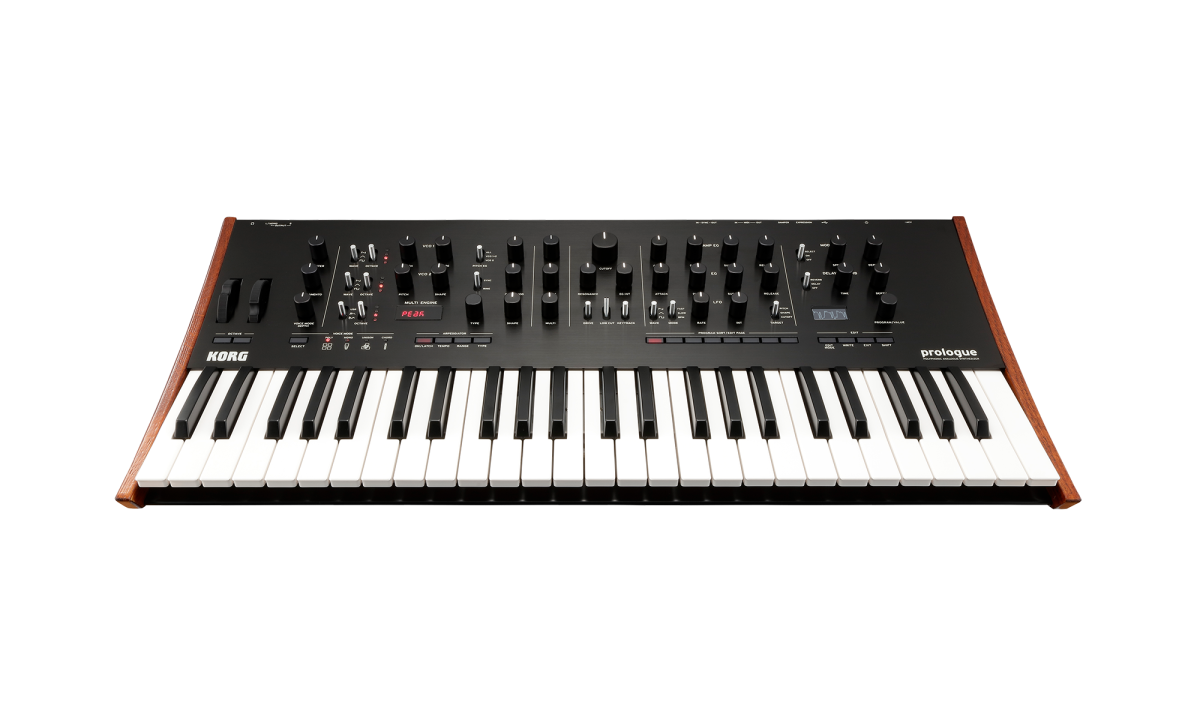
Korg Prologue

The Korg Prologue is a polyphonic analog synthesizer that was first released by Korg in 2016. The Prologue was designed as a modern take on classic analog synthesizers, and it features several advanced features that set it apart from other analog synths on the market.

One of the defining features of the Prologue is its use of a multi-engine oscillator system. This system allows various sound generation options, including traditional analog waveforms, wavetables, and even user-created samples. This gives the Prologue a level of versatility not typically found in other analog synths.

The Prologue also features a powerful filter section, which includes a two-pole resonant filter and a four-pole non-resonant filter. This allows for many tonal options, from classic analog sounds to more modern, aggressive sounds. The Prologue also features a comprehensive modulation section, which includes a number of envelopes, LFOs, and other modulation sources, allowing for a wide range of sound shaping options.

In addition to its advanced sound generation and modulation capabilities, the Prologue is also designed to be easy to use. It features a large, easy-to-read OLED display, and a user-friendly interface that allows for quick and easy access to all of its features.

The Prologue has been used by various musicians, including electronic, experimental, and pop musicians. Some notable users of the Prologue include The Chemical Brothers, Aphex Twin, and Tycho.

In 2019, Korg released the Prologue 16 and Prologue 8, which are versions of the Prologue with 16 and 8 voices respectively. In 2020, Korg also released the Prologue desktop module and the Prologue Module.

The Korg Prologue is a cutting-edge analog synthesizer that combines classic analog sound with modern features and design. Its versatility and ease of use have made it a favorite among musicians of all types and it continues to be a popular choice for both live performances and studio recording.

Used by

  • The Chemical Brothers
  • Aphex Twin
  • Tycho
Categories
Synthesizer Models Uncategorized

Moog Grandmother

The Moog Grandmother is a semi-modular analog synthesizer first released in 2018 by Moog Music Inc. The Grandmother is part of Moog’s “Mother-32” family of synthesizers, which also includes the Mother-32 and Subharmonicon.

The Grandmother is a compact, 32-key keyboard synthesizer that is perfect for musicians and producers who want to add a vintage analog sound to their productions. It features a classic Moog sound engine with a 2-pole filter, a Moog ladder filter, and a 32-step sequencer.

The Grandmother’s semi-modular design allows for a wide range of sound-design possibilities. It has a total of 31 patch points that allow users to connect various modular synth components such as oscillators, filters, and envelopes. This allows users to create unique and complex sounds that cannot be achieved with traditional synthesizers.

One of the standout features of the Grandmother is its 32-step sequencer. This allows users to create complex patterns and sequences, and also features a “Chain” mode that allows for the creation of longer sequences. The Grandmother also has an arpeggiator, which is perfect for creating intricate and evolving patterns.

The Grandmother also has a built-in spring reverb tank, which adds a vintage and spacious feel to the sound. Additionally, it has a stereo output, which can be used to create wide stereo sounds.

The Grandmother’s compact size and vintage aesthetic make it a great addition to any studio or live setup. Its semi-modular design and wide range of features make it a versatile and powerful instrument for musicians and producers of all skill levels.

Overall, the Moog Grandmother is a powerful and versatile analog synthesizer that offers a wide range of sound-design possibilities. Its semi-modular design, 32-step sequencer, and built-in spring reverb tank make it a great addition to any studio or live setup. Its compact size and vintage aesthetic make it a perfect instrument for musicians and producers who want to add a classic Moog sound to their productions.

Categories
Synthesizer Models

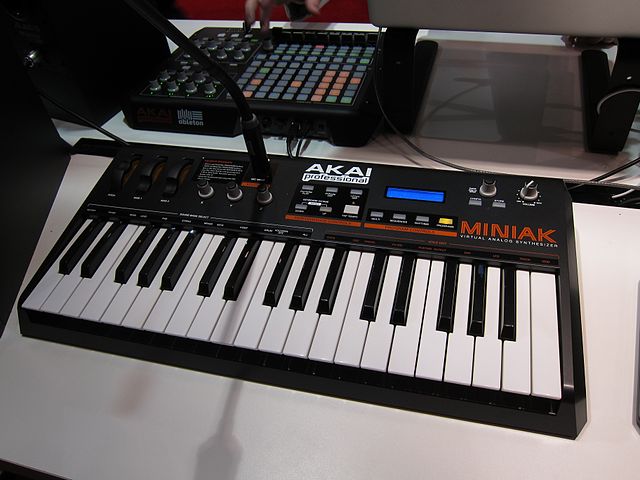
Akai Miniak

The Akai Miniak is a compact, portable synthesizer that was first released in 2007. It is a virtual analog synthesizer that emulates the sound and functionality of classic analog synthesizers. The Miniak is part of Akai’s line of “Mini” synthesizers, including the Miniak-M and the MINI.

The Miniak is notable for its small form factor and portability, making it a popular choice for musicians on the go or those with limited space. It has a compact and lightweight design, measuring only 17 inches wide, making it easy to take with you on the go.

The synth features three oscillators, each with its own waveform, frequency and detune controls. It also has a built-in step sequencer, allowing for easy creation of patterns and loops. The Miniak also has a variety of controls for shaping and modulating sounds, including a modulation matrix and a variety of modulation sources such as LFOs and envelopes. Additionally, it has a built-in arpeggiator, a vocoder and a drum machine/sampler.

The Miniak also has a built-in vocoder, which allows the user to modulate the sound of their voice with the synth’s sound. This feature is great for creating unique and interesting vocal effects. Additionally, the Miniak also has a built-in drum machine/sampler, which allows users to create beats and samples to use in their music.

The Miniak also features a MIDI In and Out/Thru, which allows the user to connect to a computer or other MIDI-enabled devices. This allows the user to control the Miniak using a MIDI controller or to use the Miniak as a MIDI controller for other software or hardware instruments.

Overall, the Akai Miniak is a compact and powerful synthesizer that offers a wide range of sound shaping options in a portable package. Its built-in sequencer, arpeggiator, vocoder and drum machine/sampler make it a great choice for electronic musicians looking for a versatile and portable synth.

Categories
Synthesizer Models

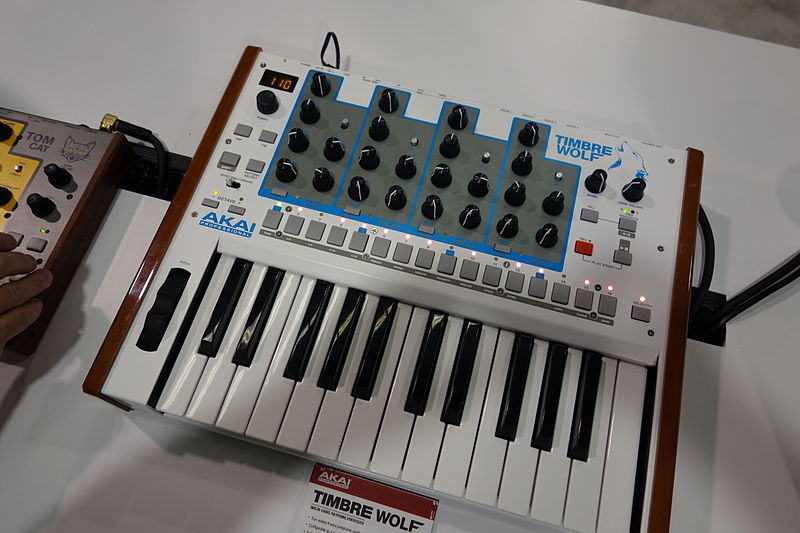
Akai Timbre Wolf

The Akai Timbre Wolf is a compact, four-voice analog synthesizer that was first released in 2013. It features a 32-step sequencer, MIDI In and Out/Thru, and a variety of controls for creating and shaping sounds.

The Timbre Wolf is part of Akai’s line of “Wolf” synthesizers, which also includes the Tom Cat and the Max49. The Timbre Wolf is notable for its small form factor and portability, making it a popular choice for musicians on the go or those with limited space.

The synth features four voices, each with its own oscillator, filter, and envelope. It also has a built-in step sequencer, allowing for easy creation of patterns and loops. The Timbre Wolf also has a variety of controls for shaping and modulating sounds, including a modulation matrix and a variety of modulation sources such as LFOs and envelopes.

One of the most unique features of the Timbre Wolf is its “Timbre” control, which allows the user to blend the waveforms of the four voices together to create new and unique sounds. Additionally, the Timbre Wolf also has a built-in distortion effect that can add a gritty, overdriven character to the sound.

Overall, the Akai Timbre Wolf is a compact and powerful synthesizer that offers a wide range of sound shaping options in a portable package. Its built-in sequencer and modulation matrix make it a great choice for electronic musicians looking for a versatile and portable synth.

Categories
Synthesizer Manufacturers

Dave Smith Instruments (DSI)

Dave Smith Instruments (DSI) is an American company that was founded in 2002 by Dave Smith, a musician and engineer who is widely considered to be one of the pioneers of electronic music. The company is known for its innovative digital synthesizers and drum machines.

Dave Smith has a long history in the field of electronic music, dating back to the 1970s when he was a co-founder of Sequential Circuits, a company that produced some of the first polyphonic synthesizers, including the Prophet-5, which is considered to be one of the most iconic synthesizers of all time.

In 2002, Dave Smith founded Dave Smith Instruments and released the Evolver, a digital synthesizer that combined the warmth and expressiveness of analog synthesis with the precision and versatility of digital synthesis. The Evolver was an instant success and it quickly became popular among electronic musicians and producers for its powerful sound and innovative features.

In the following years, DSI released several other synthesizers such as the Prophet ’08, the Mopho, and the Tempest, a drum machine. DSI also developed a range of other music production tools, including the Poly Evolver Keyboard, the Prophet ’12, the Prophet Rev2 and the Prophet X.

In 2017, DSI was acquired by inMusic Brands and continues to release new and innovative products that blend the vintage sounds of classic analog synthesizers with modern technology. Dave Smith continues to be involved in the company, and it still carries his name, ensuring the continuity of the company’s reputation for building high-quality, innovative and powerful instruments.

Categories
Synthesizer Manufacturers

Clavia (and Nord)

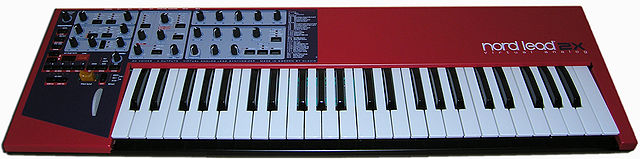
Clavia is a Swedish company that was founded in 1983 by Hans Nordelius, a musician and engineer. The company is known for its digital synthesizers, specifically the Nord series.

The first Clavia synthesizer was the Clavia C1, a monophonic synthesizer that was released in 1983. The C1 was followed by the Clavia C2, a dual-voice synthesizer, in 1984. These early synthesizers were based on the concept of wavetable synthesis, which was a new and innovative method of sound synthesis at the time.

In 1995, Clavia released the Nord Lead, which was the company’s first virtual analog synthesizer. The Nord Lead was a major success, and it quickly became popular among electronic musicians and producers for its warm and powerful sound.

In the following years, Clavia continued to develop and release new versions of the Nord Lead, including the Nord Lead 2, the Nord Lead 3, and the Nord Lead 4. They also developed a range of other digital synthesizers, including the Nord Modular, the Nord Electro, and the Nord Stage.

In 2018, Clavia released the Nord Wave 2, a powerful wavetable synthesizer that combines the wavetable synthesis of the original Nord Wave with the virtual analog synthesis of the Nord Lead.

Clavia is considered as one of the leading companies in the field of digital synthesizers and is known for their high-quality sounds, powerful features and durability of their products. The company has a reputation for building high-quality instruments that are well-suited for both live performance and studio work, and it continues to be a popular choice among electronic musicians and producers.

Categories
Uncategorized

Casio

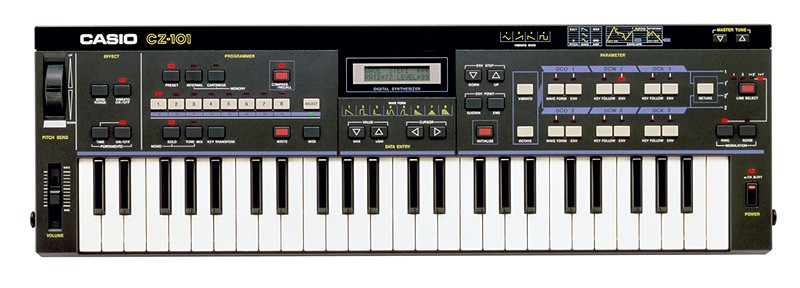
Casio is a Japanese multinational corporation that is known for its wide range of consumer electronics products, including calculators, watches, and digital pianos. They also have a history of producing synthesizers, starting in the 1980s.

Casio first introduced synthesizers in 1980, with the release of the Casiotone series, which were portable, affordable and aimed at home users. These early synthesizers were simple, often featuring preset sounds and basic sequencing capabilities.

In 1983, Casio released the VL-Tone, which was the first synthesizer to feature a digital signal processing (DSP) chip, which allowed for more complex and realistic sounds. This was followed by the release of the Casio CZ series in 1985, which were more advanced synthesizers that featured phase distortion synthesis and multiple waveforms.

In the late 1980s and early 1990s, Casio released a series of digital synthesizers, including the FZ-1, FZ-10M, and FZ-20M, which were known for their high-quality sounds and powerful sequencing capabilities. These synthesizers became popular among electronic musicians and producers and were used by several famous artists.

In the late 1990s, Casio discontinued its line of synthesizers, focusing instead on other consumer electronic products. However, the company has recently re-entered the synthesizer market with a new line of portable and affordable synthesizers, such as the Casio XW-P1 and the Casio XW-G1, aimed at home users and performers

Overall, Casio has a long history of producing synthesizers, starting with simple and affordable models in the 1980s, evolving to more advanced and professional models in the 1990s. While they stopped producing synthesizers for a period of time, they have recently returned to the market with new portable and affordable models.