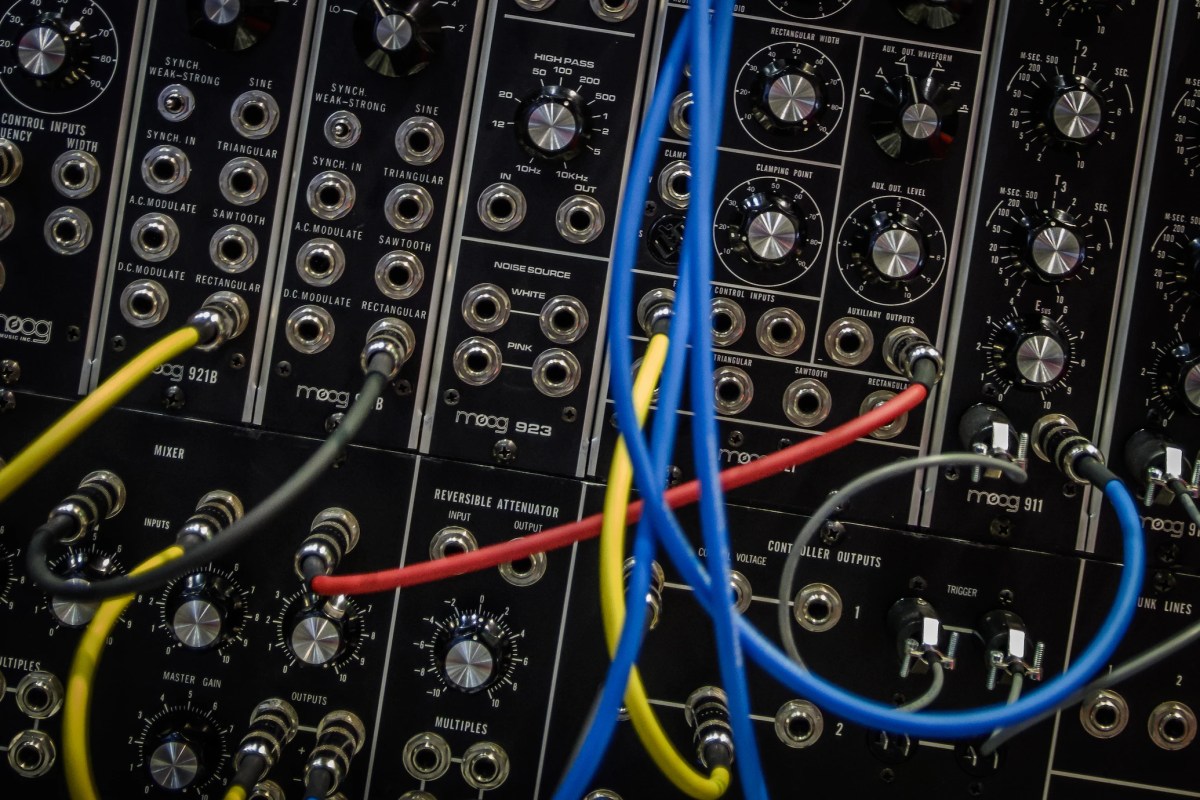
In a synthesizer, a filter is a device or circuit that alters the frequency content of a sound signal. The user can sculpt and shape the sound by removing or decreasing particular frequencies or harmonics. A synthesizer can employ a variety of filter types, each of which has unique qualities and tones.
- Low-pass filter: allows low frequencies to pass through while attenuating or cutting off higher frequencies. It produces a warm and mellow sound, and is often used to create a sense of depth and richness in the sound.
- High-pass filter: allows high frequencies to pass through while attenuating or cutting off lower frequencies. It produces a sharp and bright sound, and is often used to create a sense of clarity and definition in the sound.
- Band-pass filter: allows a specific range of frequencies to pass through while attenuating or cutting off frequencies outside of that range. It produces a resonant and nasal sound, and is often used to create a sense of focus and emphasis in the sound.
- Band-stop filter: also known as a notch filter, it reduces or eliminate a specific range of frequencies, it’s often used to remove unwanted resonances or to create a hollow and thin sound.
- State Variable filter: it’s a type of filter that provides different types of filtering (low-pass, high-pass, band-pass and band-stop) in the same module.
In a nutshell, a filter in a synthesizer is a component or circuit that modifies a sound signal’s frequency content. It enables the user to sculpt and shape the sound by removing or reducing particular frequencies or harmonics. A synthesizer can employ a variety of filter types, each of which has unique qualities and tones. Band-pass, Band-stop, Low-pass, High-pass, and State a kind of filter that can be applied to a synthesizer is a variable filter. Additionally, they can be modulated by other synthesizer components to produce dynamic and changing sounds.
 Synthesizer Online