Categories
Synthesizer Manufacturers

Korg

Korg is a Japanese company that was founded in 1962 by Tsutomu Katoh and Tadashi Osanai. The company began as a manufacturer of electronic tuners for guitars and other instruments, but quickly expanded into other areas of the music industry.

In the 1970s, Korg began to develop and produce synthesizers. Their first synthesizer was the Korg 700, released in 1973, which was an analog synthesizer that used a voltage-controlled oscillator.

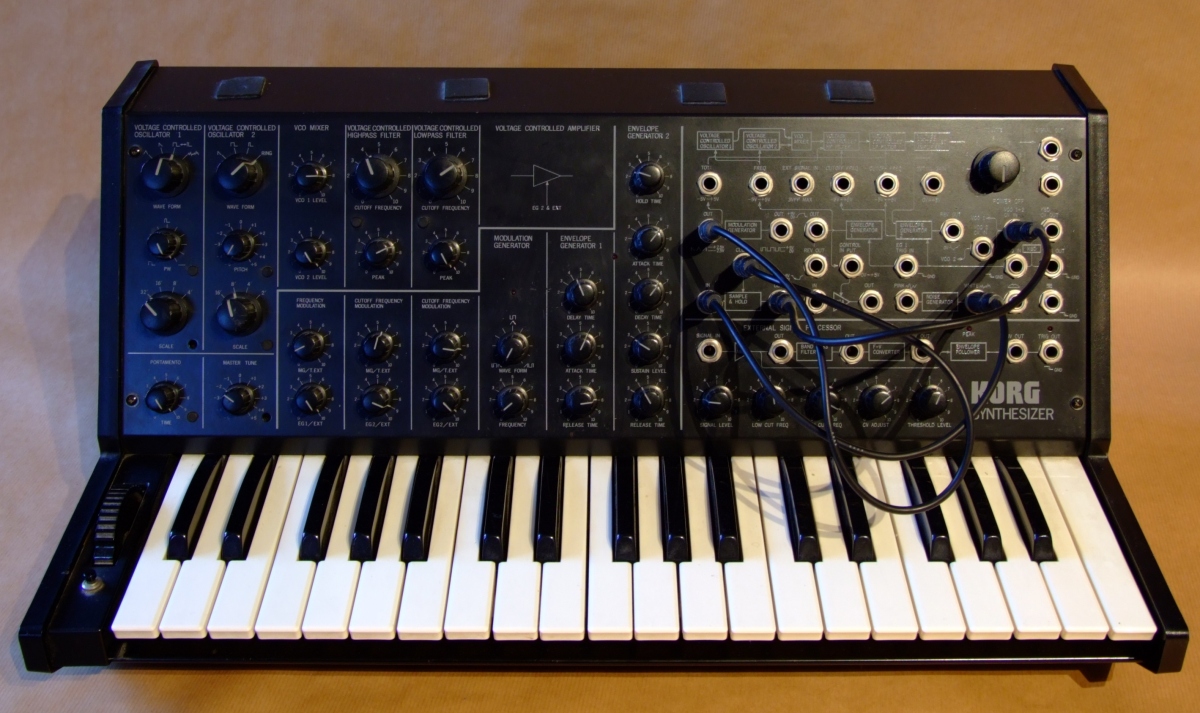
In 1978, Korg released the MS-20 (pictured), a semi-modular analog synthesizer that was known for its distinctive sound and versatility. The MS-20 quickly became a popular choice among musicians, and was used by a wide range of artists, from pop and rock to electronic and experimental.

In 1985, Korg released the DW-8000, a digital synthesizer that combined wavetable and frequency modulation synthesis. The DW-8000 was known for its unique synthesis method and its ability to produce a wide range of sounds.

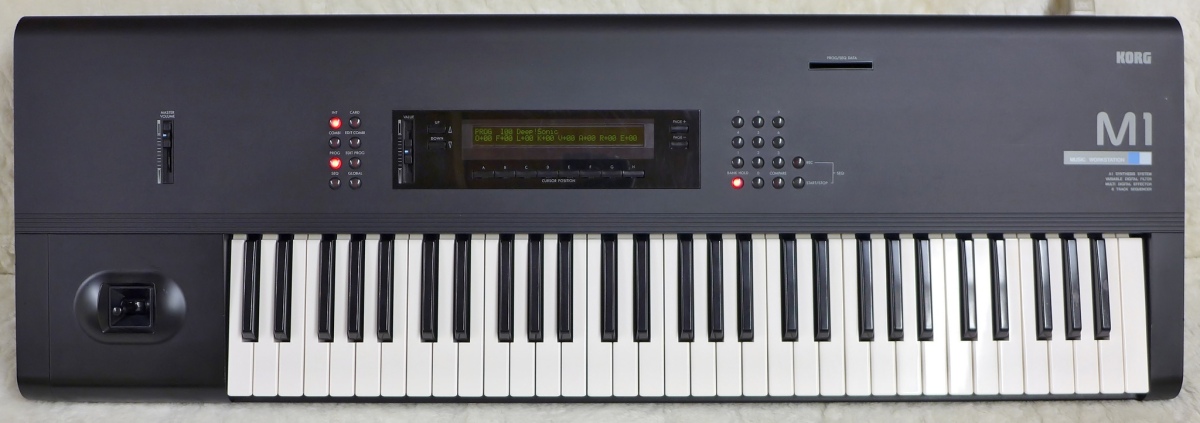
In 1988, Korg released the M1, a digital synthesizer that was known for its realistic instrument sounds and ease of use. The M1 became one of the best-selling synthesizers of all time and was used by a wide range of musicians, from pop and rock to electronic and film music.

In the 1990s, Korg continued to produce a wide range of synthesizers, including the T-series, Z-series, and Trinity. The T-series, introduced in 1991, was a line of workstation synthesizers that combined synthesis, sequencing, and sampling capabilities. The Z-series, introduced in 1995, was a line of synthesizers that featured powerful synthesis and sampling capabilities. The Trinity, introduced in 1995, was a flagship workstation synthesizer that featured advanced synthesis and sequencing capabilities.

In 1999, Korg released the Triton, a workstation synthesizer that was known for its advanced synthesis capabilities, wide range of sounds, and user-friendly interface. The Triton was used by a wide range of musicians, from pop and rock to electronic and film music.

In 2002, Korg released the MicroKorg, a compact synthesizer and vocoder that was known for its portability and versatility. The MicroKorg quickly became a popular choice among musicians and was used in a wide range of musical genres.

In 2011, Korg released the Kronos, a flagship workstation synthesizer that featured advanced synthesis and sequencing capabilities, a wide range of sounds, and a user-friendly interface.

In recent years, Korg has continued to produce a wide range of synthesizers, such as the Minilogue, Monologue and the Volca series, which are portable, affordable and easy-to-use.

Throughout its history, Korg has been known for producing high-quality synthesizers that are used by a wide range of musicians. The company has also been recognized for its innovation and commitment to quality and reliability.

Important Korg Models:

  1. Korg MS-20: A semi-modular analog synthesizer first released in 1978, known for its distinctive sound and versatility.
  2. Korg DW-8000: A digital synthesizer released in 1985, known for its unique synthesis method that combined wavetable and frequency modulation synthesis.
  3. Korg M1: A digital synthesizer released in 1988, known for its realistic instrument sounds and ease of use.
  4. Korg Triton: A workstation synthesizer released in 1999, known for its advanced synthesis capabilities and wide range of sounds.
  5. Korg MicroKorg: A compact synthesizer and vocoder released in 2002, known for its portability and versatility.
  6. Korg Kronos: A flagship workstation synthesizer released in 2011, known for its advanced synthesis capabilities, wide range of sounds and user-friendly interface.
  7. Korg Minilogue: A polyphonic analog synthesizer first released in 2016, known for its affordable price and warm, vintage sound.
  8. Korg Monologue: A monophonic analog synthesizer released in 2016, known for its compact size, affordability, and powerful sound.
  9. Korg Volca series: A line of portable, affordable and easy-to-use synthesizers, drum machines and grooveboxes released in 2012, known for their retro-style sound and design.
Categories
Synthesizer Models

Korg Prologue

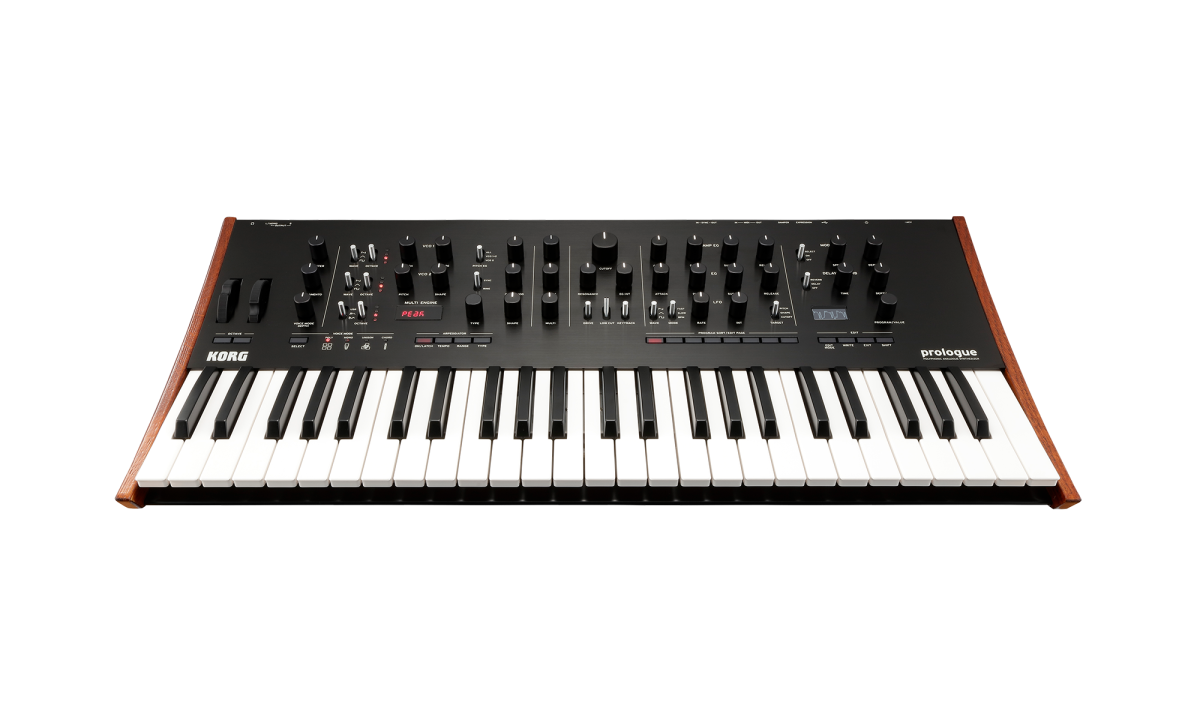
The Korg Prologue is a polyphonic analog synthesizer that was first released by Korg in 2016. The Prologue was designed as a modern take on classic analog synthesizers, and it features several advanced features that set it apart from other analog synths on the market.

One of the defining features of the Prologue is its use of a multi-engine oscillator system. This system allows various sound generation options, including traditional analog waveforms, wavetables, and even user-created samples. This gives the Prologue a level of versatility not typically found in other analog synths.

The Prologue also features a powerful filter section, which includes a two-pole resonant filter and a four-pole non-resonant filter. This allows for many tonal options, from classic analog sounds to more modern, aggressive sounds. The Prologue also features a comprehensive modulation section, which includes a number of envelopes, LFOs, and other modulation sources, allowing for a wide range of sound shaping options.

In addition to its advanced sound generation and modulation capabilities, the Prologue is also designed to be easy to use. It features a large, easy-to-read OLED display, and a user-friendly interface that allows for quick and easy access to all of its features.

The Prologue has been used by various musicians, including electronic, experimental, and pop musicians. Some notable users of the Prologue include The Chemical Brothers, Aphex Twin, and Tycho.

In 2019, Korg released the Prologue 16 and Prologue 8, which are versions of the Prologue with 16 and 8 voices respectively. In 2020, Korg also released the Prologue desktop module and the Prologue Module.

The Korg Prologue is a cutting-edge analog synthesizer that combines classic analog sound with modern features and design. Its versatility and ease of use have made it a favorite among musicians of all types and it continues to be a popular choice for both live performances and studio recording.

Used by

  • The Chemical Brothers
  • Aphex Twin
  • Tycho
Categories
Classic Synthesizers Synthesizer Models

Korg M1

The Korg M1 is a digital workstation and music synthesizer that was first introduced in 1988. It quickly rose to prominence and became one of the most recognizable synthesizers of all time. Musicians from all genres have used it on countless recordings and live performances.

Korg’s AI (Advanced Integrated) synthesis technology, which combines samples of real instruments with synthesis techniques to produce a wide variety of realistic and expressive sounds, was first implemented in the M1 synthesizer. Additionally, the M1 was the first synthesizer with an integrated sequencer, enabling musicians to record and replay their performances.

The M1 offered a variety of synthesized sounds, such as basses, pads, and leads, in addition to an assortment of natural sounds like piano, guitar, drums, and orchestral instruments. It also included a variety of effects, such as distortion, delay, and reverb. Musicians could record and edit their performances on the M1’s internal sequencer, which could also import and export MIDI data.

Musicians of all skill levels can use the M1 easily thanks to its user interface, which was created to be clear and straightforward. The M1 also included many performance-oriented features that enabled musicians to construct intricate and expressive performances, such as split and layer capabilities, an arpeggiator, and keyboard scaling.

The M1 was renowned for its robust design, dependability, and powerful synthesis and sequencing capabilities. Many well-known musicians used the M1 extensively on tour and in professional recording studios. It was a mainstay in the Pop, R&B, and Dance Music scenes and the electronic music scene.

During its ten-year production run, the Korg M1 sold more than 250,000 units globally. The M1EX, an upgraded version of the M1, and the T-series succeeded it. Numerous software and hardware emulations are still available today, preserving its legacy.

The Korg M1 was a revolutionary synthesizer that altered how musicians compose and perform music. Realistic sounds, effective sequencing, and an easy-to-use user interface made it a must-have tool for musicians of all levels. It is still regarded as one of the most recognizable synthesizers in the history of electronic music because of its lasting legacy.

Used by

Categories
Classic Synthesizers Synthesizer Models

Korg MS-20

The Korg MS-20 is a classic analog synthesizer first introduced in 1978 by Korg. It swiftly established itself as a standard in the music business, being utilized by many different musicians in various musical genres, such as rock, pop, and electronic music.

The MS-20’s patchable design, which offers a variety of sound-sculpting choices, is one of its defining characteristics. It contains a low-pass filter, two voltage-controlled oscillators, and several modulation choices. Due to its peculiar filter design, the MS-20 also has a recognizable squelchy sound.

In addition to its small size and portability, the MS-20 was a favorite of touring musicians. The live stage arrangements of well-known bands like Depeche Mode and New Order demonstrate this.

The MS-20 mini, a scaled-down version of the original synthesizer with the same capabilities and tone, was released by Korg in 2007. This made the MS-20 more approachable for producers and musicians.

The Korg MS-20 is a well-known vintage analog synthesizer with a patchable design, squelchy sound, and mobility. With the reintroduction of the MS-20 mini, its legacy has continued to inspire new generations of musicians.

Used by